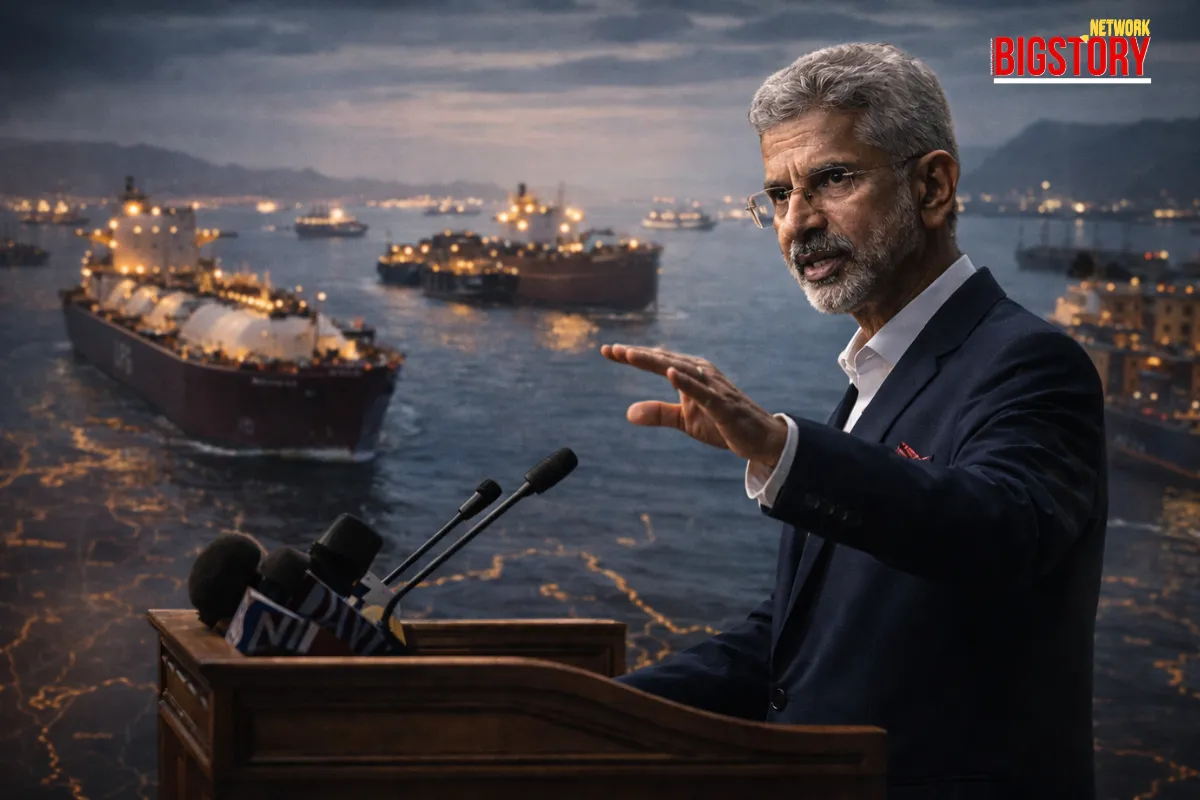
As S. Jaishankar declares a historic victory for Indian foreign policy in Parliament, New Delhi's successful back-channel deal with Tehran averts a domestic energy collapse—but places it squarely in the crosshairs of US sanctions.
 Brajesh Mishra
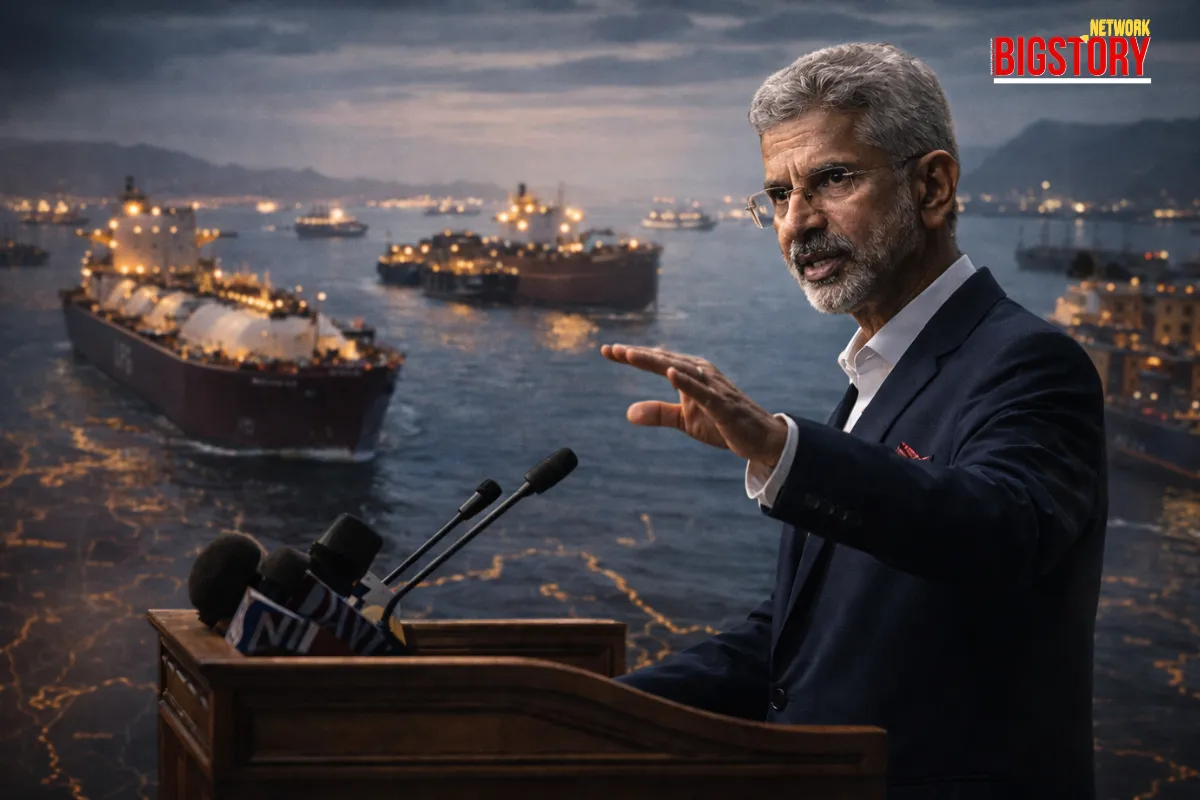
What happened: External Affairs Minister S. Jaishankar addressed Parliament to officially hail the successful diplomatic talks with Iran that secured exclusive safe passage for Indian ships through the Strait of Hormuz.
Why it happened: India relied on sustained back-channel dialogue with Tehran to carve out an exemption from the IRGC's maritime blockade, prioritizing its domestic energy security over Western pressure to isolate the regime.
The strategic play: By negotiating directly with Iran while US and European ships are blocked, India demonstrated the raw geopolitical value of its "multi-aligned" foreign policy.
India's stake: The diplomatic win immediately eases the crippling domestic LPG and crude oil shortage, but forces India to rely heavily on alternative payment mechanisms to avoid triggering secondary sanctions from Washington.
The deciding question: Will the United States accept India's bilateral survival tactics, or will Washington retaliate by weaponizing its upcoming global tariff architecture against New Delhi?
In a forceful display of strategic autonomy, India's External Affairs Minister S. Jaishankar officially addressed the Lok Sabha on Monday, formally claiming a massive geopolitical victory. He publicly hailed the india hails iran talks hormuz 2026 breakthrough, confirming that intense back-channel negotiations with Tehran have successfully carved out an exclusive safe-passage corridor for Indian-flagged vessels through the world's most dangerous and highly blockaded maritime chokepoint.
The announcement was met with thumping approval across the parliamentary benches. By securing a sovereign exemption from the Islamic Revolutionary Guard Corps (IRGC)—even as Western-aligned vessels continue to face violent attacks—New Delhi has effectively averted a catastrophic collapse of its domestic energy grid. However, this unilateral diplomatic triumph immediately tests the absolute limits of India's relationship with Washington, proving that when domestic survival is at stake, India will not ask for permission to secure its own borders.
S. Jaishankar, External Affairs Minister, India Jaishankar used the parliamentary floor to cement the diplomatic victory, framing the successful navigation of the Hormuz blockade as undeniable proof that India's independent foreign policy works. He emphasized that in times of unprecedented global conflict, the government's foremost duty is protecting the Indian citizen's energy lifelines without compromising strategic autonomy.
Abbas Araghchi, Foreign Minister, Iran The Iranian counterpart facilitated the exemption for Indian vessels. By cutting a deal with New Delhi, Tehran successfully demonstrated its willingness to cooperate with neutral Asian economic powers, actively fracturing the US-led international consensus and isolating Washington militarily.
Ministry of Petroleum and Natural Gas, India As the direct beneficiary of the diplomatic breakthrough, the Ministry can now physically receive the 60 percent of India's LPG imports that rely on the Strait. The safe arrival of crude and LNG shipments allows the government to begin stabilizing the domestic crisis and gradually ease the emergency rationing imposed under the Essential Commodities Act.
Mainstream media is blanketing the airwaves with parliamentary applause for Jaishankar, treating the speech as an unmitigated political win for the ruling NDA government while tracking the immediate drop in domestic crude oil anxiety. But this celebratory framing misses the immense financial tightrope India is currently walking: the "De-Dollarization" of the relief deal.
While Parliament cheers the physical opening of Hormuz, the unspoken reality is how India is managing the ongoing transaction. With Iran under maximum Western military and economic sanctions, and the US Treasury closely watching New Delhi's moves, this safe-passage agreement almost certainly involves a massive, quiet expansion of the Rupee-Rial trade mechanism or direct sovereign barter agreements. India didn't just bypass a physical military blockade; it is silently, aggressively accelerating its financial decoupling from the US dollar in the Middle East. This is necessary to avoid triggering secondary sanctions from an already agitated Washington, but it places India directly in the crosshairs of US sanctions hawks who view any bilateral cooperation with Tehran during an active war as a betrayal of the American embargo.
If India can successfully negotiate its own independent peace in the world's most dangerous war zone, why would it ever accept a US-dictated global trade architecture again?
 Exclusive Content



Sign up for the Daily newsletter to get your biggest stories, handpicked for you each day.

 Trending Now! in last 24hrs